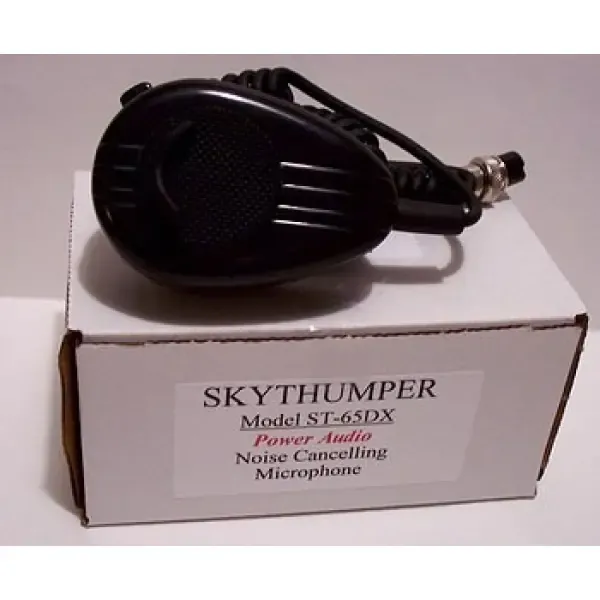
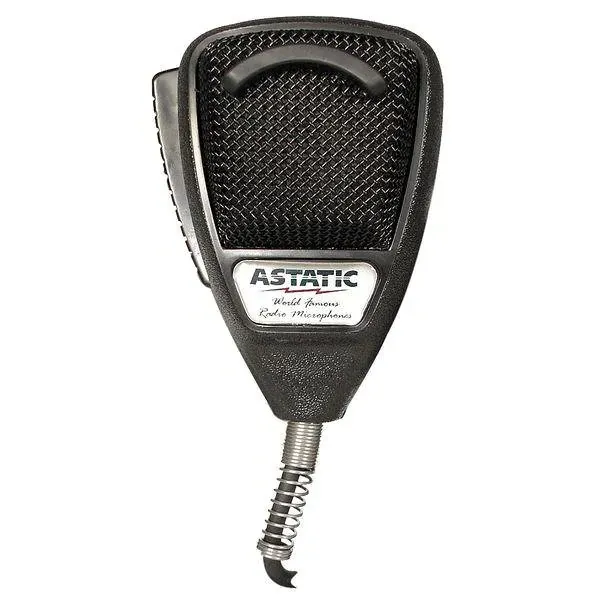
Start with the radio make and model. Then consider whether this is a replacement for a microphone that worked before, an upgrade for a noisy cab, or part of a new installation. If you are replacing an old microphone, a photo of the plug and a note about the symptom can be useful reference points while you shop. The clearer the radio and situation, the easier it is to avoid a mismatch.
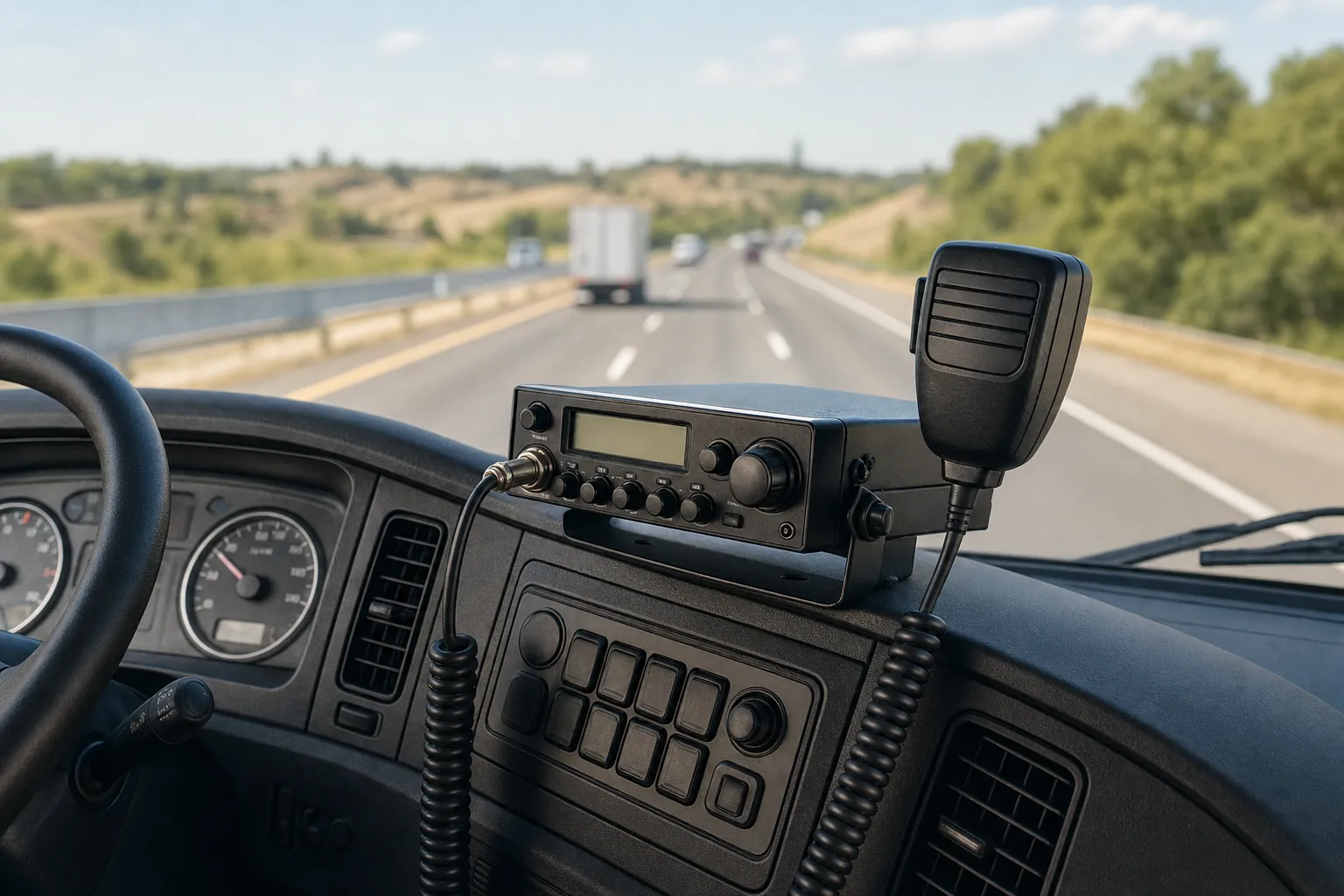
For truck use, think about the noise around you, where the microphone will rest, and how often you need to reach for it. A mic should be easy to handle without adding clutter to the cab. For a base station, think about the desk or operating position, the existing radio connection, and whether a hand mic or desk mic suits the way you use the station.
If the microphone issue came with weak transmit, changed SWR readings, damaged coax, or a radio that will not key, work through the visible connections before you order. The CB microphone guide gives a practical overview of noise-canceling options, and the CB antenna page can help when the problem may be farther along the transmit path.
Customers choosing a radio at the same time can browse CB radios for sale, while drivers building out a cab can visit CB radios for truckers. When a symptom does not point to a simple replacement, the shop can also help you start a repair request with the radio model and a clear description of what changed.