
The President Walker IV makes sense for the driver who wants a full-featured CB in a practical, OEM-sized package. Its brushed-metal face, front microphone connection and familiar physical controls give it the feel of a traditional working radio. The useful part is what sits behind that face: AM and FM operation, weather channels and alert, noise-control features, an SWR meter and protection, VOX, talkback, a public-address function and a USB-C charging port.
The factory Walker IV is rated at 4 watts on AM and FM. The version discussed here is the shop-tuned Walker IV available from Custom CB Radios, set up to deliver up to 60 watts of swing PEP. That is a meaningful distinction. It is not a claim that every stock Walker IV leaves the box at that level, and it is not a substitute for a healthy antenna system. It is a tuned option for someone who wants a stronger radio without automatically jumping to a more expensive class of equipment.
What makes the Walker IV different
Some radios are built around the smallest possible footprint. Others put nearly every adjustment behind a menu. The Walker IV takes a more direct approach. The large controls are easy to find on the move, the front microphone connection keeps the cable where it is convenient, and the display can be set to a color that is comfortable for nighttime use. That matters in a working cab, where a radio should be easy to operate without becoming another distraction.
President also includes practical features that can take some of the roughness out of day-to-day radio use. Its NRC noise-reduction circuit is designed for both transmit and receive. ANL, noise blanker and hi-cut controls give you ways to manage the background noise that can make AM listening tiring. Automatic squelch control, RF gain, mic gain and RF power controls let the operator tune the radio to the situation rather than leaving every setting fixed.
For a driver who runs long hours, the details add up. Seven NOAA weather channels with alert capability keep weather information close. Scan and scan-skip make it easier to watch channels. Programmable channels and dedicated emergency access reduce button hunting. The official Walker IV specification page confirms its OEM-truck dimensions, weather coverage, SWR protection, noise-reduction circuit and USB-C port.

What 60 watts of swing PEP means here
PEP, or peak envelope power, is a way of describing the peaks produced during modulation. On AM equipment, you may hear operators talk about a radio’s dead key and how it swings when the microphone is used. It is worth keeping the language honest: the number shown on a meter depends on the meter type, the test method, the microphone and the radio’s setup. Treat 60 watts of swing PEP as a shop-tuned output figure, not a distance guarantee.
That last point is where buyers often spend money in the wrong order. A radio cannot turn a damaged coax cable, poor mount or high SWR reading into a good system. The antenna needs to be mounted securely, the cable needs to be healthy, and the antenna needs to be checked on the vehicle. Our CB antenna tuning guide explains the channel-by-channel checks that help confirm the system is ready for any radio.
Once those basics are in place, a tuned Walker IV offers a different value equation from a basic replacement radio. It gives you more headroom than a standard factory-output set while retaining the practical controls, legal CB channels and size that many drivers want. For someone deciding between a stripped-down unit and a more complicated radio that costs considerably more, that balance is the point.
A strong alternative in its price range
At this level, buyers are usually deciding between a basic CB that does the minimum, a feature-heavy radio that may not fit their cab or routine, and a tuned version of a familiar platform. The Walker IV belongs in that third group. It is especially attractive when you want a radio with real front-panel control, weather support and noise management, but do not need to pay for features you will never use.
It is also a more practical alternative to chasing output figures alone. A larger or more expensive radio may make sense for a specific build, but it can bring a bigger footprint, a different power requirement or more setup complexity. The Walker IV gives a driver a clear path: choose a radio that fits, pair it with a sound antenna system, then use the controls it actually provides. That is a better buying decision than comparing the biggest number on a product page.
There are honest tradeoffs. This is an AM/FM CB radio, not an SSB radio, and it will not be the right choice for every operating style. If your priority is a highly specialized export-radio setup, a larger platform may be a better match. But for a truck or vehicle that needs a dependable, approachable CB with more capability than the entry-level choices, the tuned Walker IV is hard to ignore.

Start with the job the radio needs to do
A good radio choice begins with a simple question: what do you need it to do on a normal day? A driver who wants to monitor road conditions, communicate with nearby equipment or keep an emergency channel within reach has different needs from someone building a highly specialized hobby setup. The Walker IV is aimed at the practical end of that range. It puts useful controls and listening features into a radio that does not demand a complicated routine every time you turn it on.
That makes it a good candidate for a daily driver, work truck, farm vehicle or a replacement for an older radio whose controls have become unreliable. It has enough adjustment to tailor the receive side to changing conditions, but the basic controls remain physical and obvious. Volume, squelch, RF gain, mic gain and power control are not buried under several menu layers. When conditions change, a driver can make a small adjustment and keep attention on the road.
It also rewards a buyer who thinks in terms of the full system. The radio is only one decision. Where it will mount, which antenna will fit the vehicle, how the coax will route and whether the microphone works well with cab noise all matter. A lower-priced radio with a poor antenna system can be frustrating. A better radio with a sound installation gives you something you can use and maintain.
Useful features without feature clutter
The Walker IV has the practical features that tend to matter after the first week of ownership. The built-in SWR meter and SWR protection do not eliminate the need for a proper antenna check, but they give the operator useful information close at hand. A change in the reading can be a sign to inspect the antenna, mount or cable before continuing to transmit as though nothing happened.
The weather function is another example. It is not a replacement for a weather app or a dedicated safety plan, but having weather channels and alert capability in the radio adds useful awareness in a truck. The same is true of scan, scan skip and programmable channels. They are modest tools, yet they make the radio easier to use in the way a working driver actually uses one.
Noise is often the difference between a radio that stays on and one that gets turned down. Road noise, engine noise and crowded channels can make weak or rough audio difficult to follow. The Walker IV's NRC, ANL, noise blanker and hi-cut controls give you options for cleaning up what you hear. No single control fixes every source of noise, but having these adjustments lets you respond to the cab and channel conditions instead of accepting one fixed sound.
How to compare it fairly with another radio
Do not compare two CB radios only by a claimed power number. Start with the basics: Will it fit where you plan to mount it? Are the controls clear enough to use without hunting? Does it support the legal modes and channels you expect to use? Does it have the listening, weather and noise-control features that will matter in your vehicle? A radio that answers those questions well has a practical advantage before output is even part of the comparison.
Next, compare what is included and what the installation requires. The Walker IV includes a microphone, mounting cradle, fused power cord, screws and manual. You will still need the right antenna system for the vehicle, and that is not a place to cut corners. The radio uses a standard SO-239 antenna connection, but the correct antenna, mount, stud and coax depend on the installation. A mismatched collection of parts can make a good radio look disappointing.
Finally, compare the whole cost, not just the sticker price. A tempting low-price radio can become less of a bargain after you add the features, mounting parts and work needed to make it suitable for the vehicle. A tuned Walker IV can be the better value when it gives you the control layout and capabilities you wanted in the first place, while the shop can also help you think through the antenna and accessory side of the purchase.
Who the tuned Walker IV suits best
This radio is a particularly good match for the buyer who wants more than an entry-level replacement but does not want to overcomplicate the cab. It has a classic radio presence, a useful collection of modern features and a form factor built for truck installation. The tuned configuration makes the most sense for someone who values extra output but still wants an approachable AM/FM CB platform.
It can also make sense for someone replacing an older full-size radio. The Walker IV keeps the basic operating experience familiar while adding weather, improved display options, USB-C charging and modern noise-management features. That combination can be more useful than choosing the cheapest replacement and discovering later that it has fewer controls, less flexible audio or a display that is difficult to see at night.
It is not the automatic answer for every buyer. If you require SSB, need a radio for a very tight mounting location or are building a specialized system with different goals, ask the shop to compare options. The best radio is the one that fits the vehicle, your operating needs and the rest of the equipment. The tuned Walker IV earns its place when those needs point to a capable, straightforward CB rather than a more complex platform.
Protect the performance you paid for
Once a radio is installed, the easiest way to preserve its performance is to keep the antenna system healthy. Check the antenna mount after it has seen vibration, weather or a low obstacle. Watch for coax that rubs against a sharp edge, gets pinched in a door or pulls tight at the connection. Look at the microphone cord and power connections before assuming a change in performance means the radio itself needs repair.
Use an SWR meter as a regular diagnostic tool, not just a one-time installation step. The Walker IV's built-in meter is helpful for awareness, and an external meter gives you a repeatable way to check the full system. If readings are high or unstable, use only the brief transmissions needed for testing and inspect the mount, coax and connectors. Our SWR meter guide walks through that process step by step.
Clear audio deserves the same attention. Make sure the microphone is positioned close enough for consistent speech, and check the mic gain before adding accessories. If others report weak, noisy or distorted audio, isolate the issue methodically. Try the supplied microphone, inspect connections and verify the antenna system before buying more gear. That approach protects the investment and gives you a better chance of fixing the actual cause.
A quick Walker IV buying checklist
- Measure the mounting space. Confirm the radio body, mounting cradle, microphone cord and power lead have a sensible place in the cab. The best radio on paper is still the wrong one if it blocks a control, forces a loose mount or leaves the microphone awkward to reach.
- Decide which features will matter every day. For some drivers that is weather alert and a readable display. For others it is physical audio controls, scan or noise reduction. Choose based on the way you use the vehicle, not a feature list that sounds impressive but will stay untouched.
- Plan the antenna system at the same time. Choose a mounting location, antenna, stud and coax route that fit the vehicle. Then check the system with an SWR meter after installation. The radio, antenna and cable need to work together before any output figure can deliver its best result.
- Ask what the tuned configuration includes. The shop-tuned 60-watt swing PEP setup is different from a factory-stock Walker IV. Confirm the exact configuration you are buying, then keep expectations realistic about the role of antenna condition, meter readings and operating environment.
- Leave room for support. A good purchase is easier to live with when you can describe the vehicle, radio, antenna and symptoms to someone who understands the bench side of the work. That is valuable if you are building a new setup or diagnosing an older one.
This checklist keeps the decision grounded. The Walker IV is a capable option because it brings together a usable size, familiar controls, modern convenience and a stronger shop-tuned configuration. It becomes the right option when those strengths match the vehicle and the way you intend to use the radio.
The practical verdict
The President Walker IV is not trying to be every kind of radio for every kind of operator. Its appeal is more grounded than that. It gives a driver a real CB platform with a sensible layout, day-to-day listening tools, weather capability and a size that works in many vehicles. In the shop-tuned configuration, the up-to-60-watt swing PEP figure adds another reason to consider it when a basic factory-output replacement feels too limited.
That makes it a great alternative to other radios in its price range for the buyer who wants practical capability rather than a confusing feature race. The radio still needs the right antenna, a clean installation and realistic expectations. With those foundations handled, it offers a lot of useful radio for the money and a straightforward path to a setup that feels intentional rather than pieced together.
Build the rest of the system around it
A radio purchase should start with the vehicle, not the spec sheet. Check the space available for the mounting cradle, where the microphone will hang, how the power cord will reach the battery connection and where the antenna cable will run. The Walker IV measures 7.28 inches wide, 6.77 inches deep and 2.20 inches high, which is a useful size for many truck installations. Measure your own mounting area before ordering, especially if you are replacing a compact radio.
Then give the antenna the same attention as the radio. A quality mount, properly routed coax and an antenna checked with an SWR meter protect the investment and make the whole setup easier to diagnose later. If you are unsure where to begin, the CB antenna mounting guide covers the questions worth answering before you start adjusting anything.
The microphone matters too. The included electret up/down microphone is designed to work with the radio, but cab noise, mounting position and how you communicate may point you toward a different option. A noise-cancelling microphone can be worth considering when engine, road and wind noise make it hard to keep audio clear. Make that choice after the radio and antenna are working correctly, not as a way to cover up a system problem.
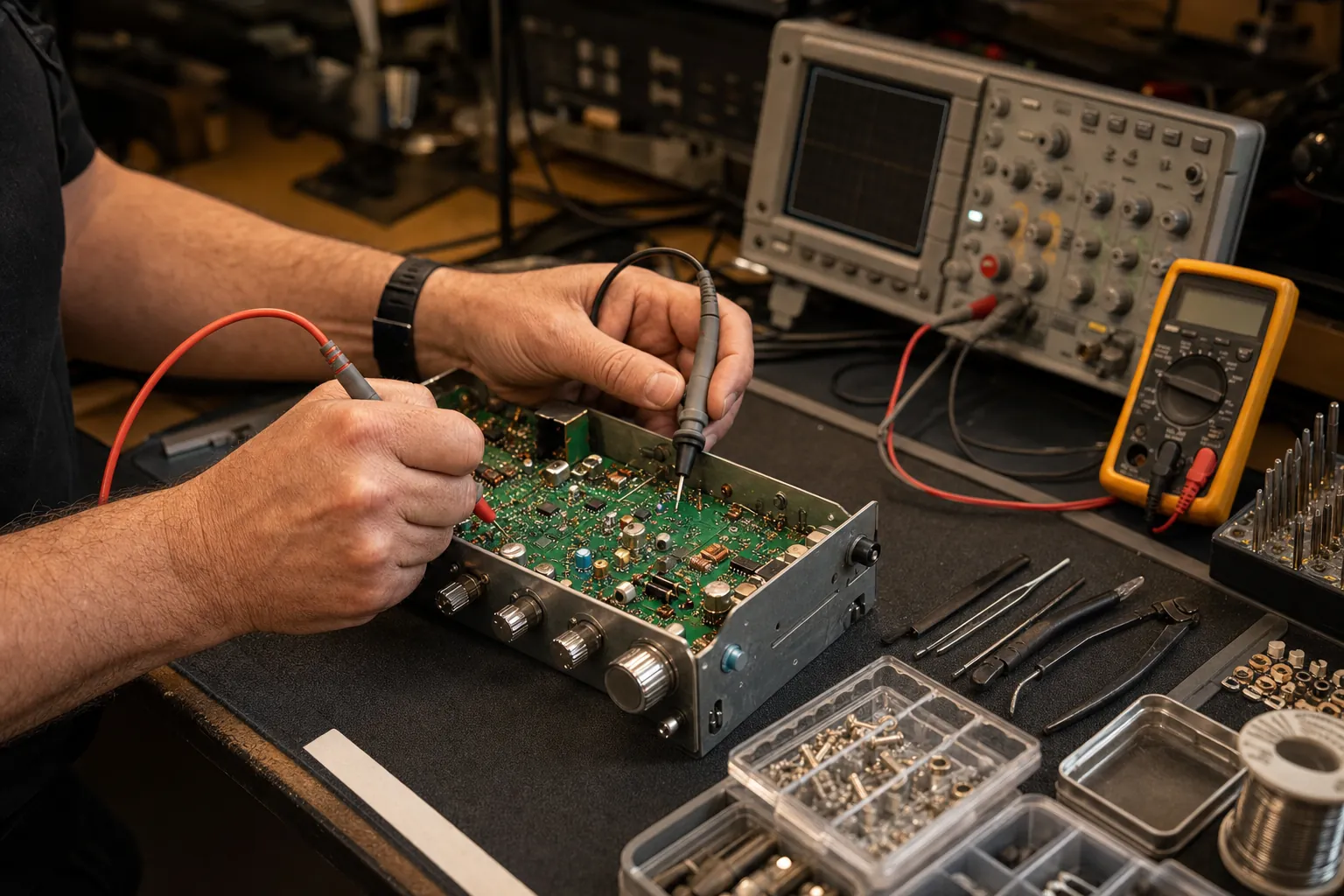
Talk to the Shop
Choose the right radio, then make the whole setup work.
Custom CB Radios can help you compare the Walker IV with the gear, antenna and installation needs that matter for your vehicle.
Shop CB Radios →Frequently asked questions
Does the President Walker IV make 60 watts?+
The standard President Walker IV is a 4-watt AM/FM CB radio from the factory. The 60-watt swing PEP figure in this article refers to the shop-tuned version available from Custom CB Radios. Output can vary with the radio, microphone, power supply, meter and antenna system.
Is the President Walker IV a good trucker radio?+
It is a strong fit for a driver who wants an OEM-sized radio with a familiar control layout, weather coverage, noise-reduction features and an easy-to-read customizable display. The best choice still depends on the available mounting space, antenna system and the features you will use.
Will more swing PEP fix a poor CB setup?+
No. Power is only one part of a CB system. A sound antenna installation, a sensible SWR reading, healthy coax and a properly placed microphone have a major effect on how a radio performs. Fix those basics before treating output as the only answer.
What should I compare before buying a CB radio?+
Compare the radio’s physical size, legal operating mode, control layout, noise-control features, microphone options, service support and the total cost of the radio plus the antenna system. A radio that fits the cab and the rest of the setup is usually a better value than a feature list alone.
Keep Reading
Related Posts

Guide
How to Install a CB Radio: A Practical Vehicle Guide
Plan a safe, dependable CB radio installation by choosing the radio location, power route, antenna mount, coax path and final SWR check in the right order.Read the guide →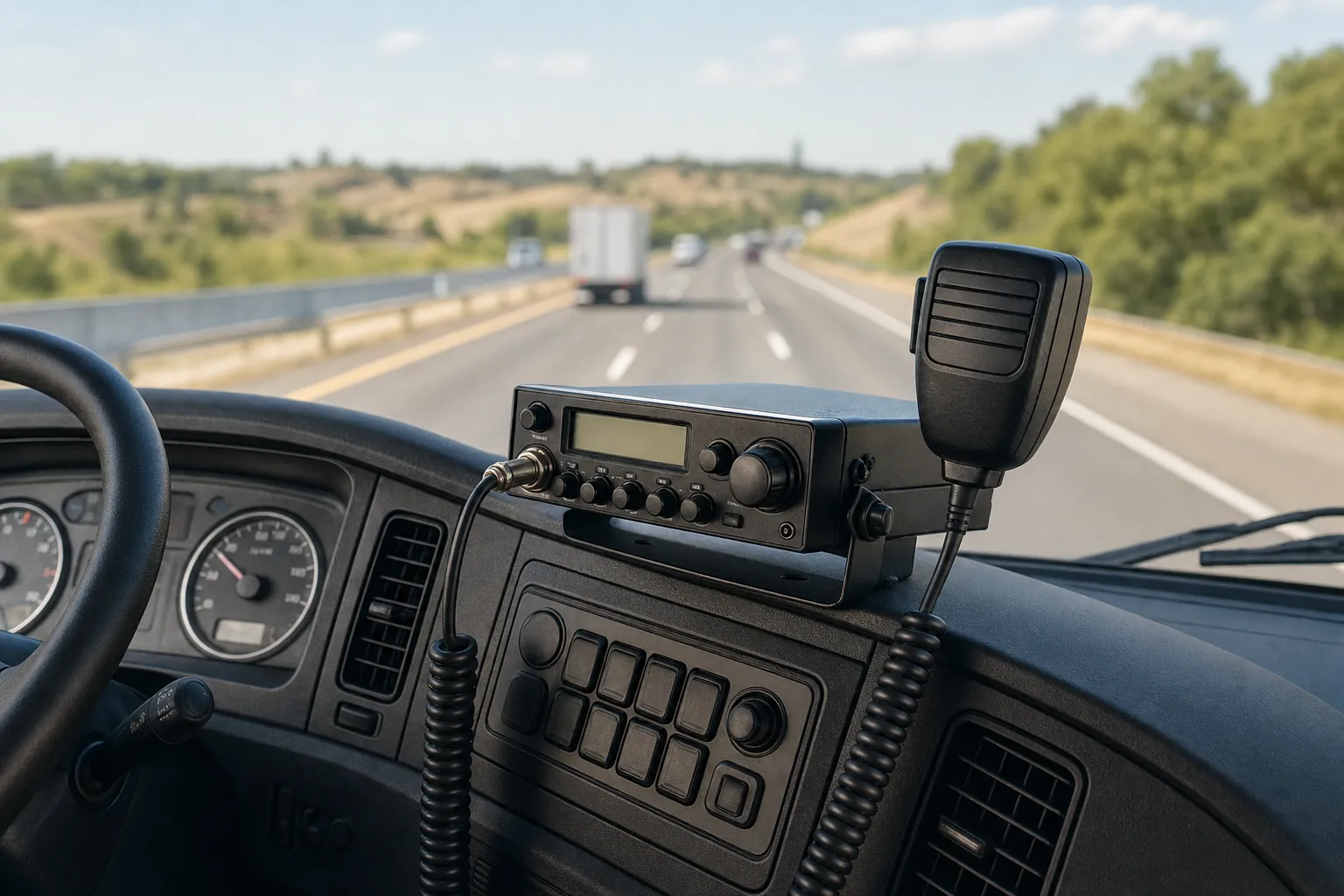
Guide
Do Truckers Still Use CB Radios? What They’re Good For
CB radios are still useful for nearby, real-time road communication. Learn where they fit alongside a phone, what to expect and how to build a dependable truck setup.Read the guide →
Guide
CB Radio Turns On but Has No Sound? 7 Checks Before Repair
CB radio turns on but no sound? Check the volume, squelch, external speaker, microphone and audio modes before booking a repair.Read the guide →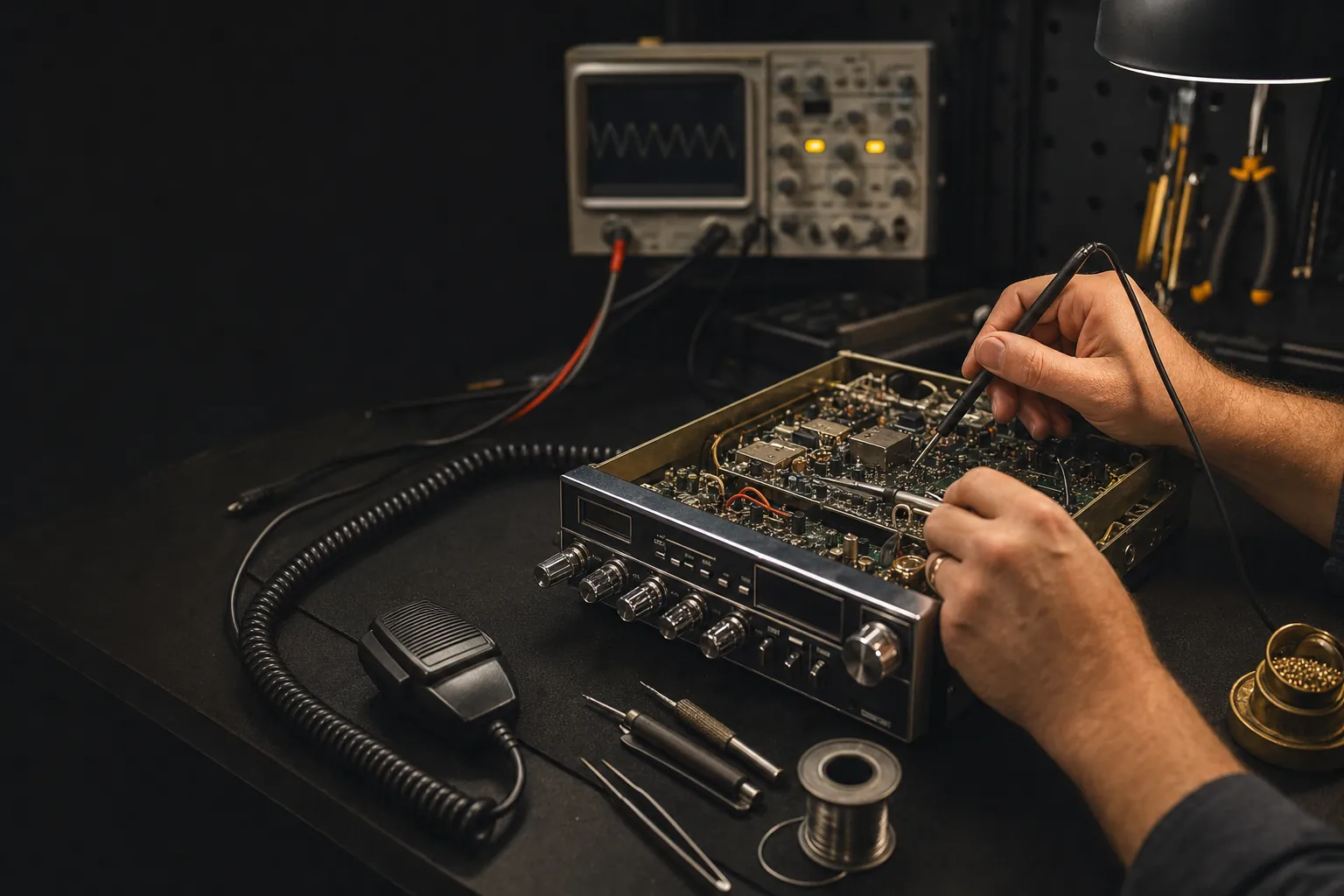
Guide